
I want to make a statement and a promise to my friends and family, and to all my readers: I have never used and promise never to use AI to write or even enhance my fiction. My short stories, poems and novels will always be 100% original from my own noodle. (I use an online thesaurus, dictionary, and grammar-checker but that’s not AI.)
This means my forthcoming novel BLUE GOSPEL will read like a human author, for better or for worse.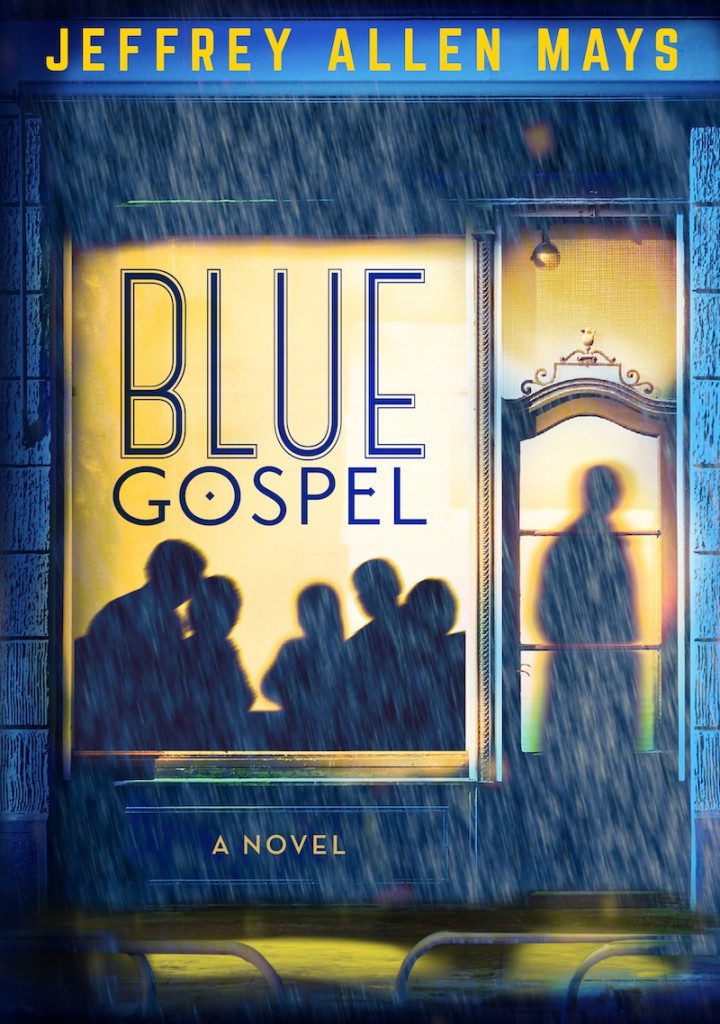
This is not a hard promise to make for me. I was writing creatively long before AI came along.
And for me, wordsmithing and storytelling are an artform too personal and beloved to ever desecrate by falsehood.
But apparently for a great many people, the lust for publishing credit is too overpowering and the temptation to the quick and easy path of AI is just too strong, even if it is the paltry and meaningless credit of having slipped past the gatekeepers with fake material. Their publishing credit is empty.
Lately, literary journals are starting to put disclaimers on their submissions pages saying they do not accept AI-generated material, requiring submittors to affirm the humanity of their stories, poems, and essays. Apparently, they are being flooded by submissions generated by AI, so-called “AI slop.”
It’s very sad and makes an already thankless and poorly paid job that much more difficult.
I teach my Academic Writing students about the brilliance of The Peer Review System. It is the mechanism that, for decades, has ensured that the best, most accurate research is presented to the world. In peer review, every essay, paper, and journal article goes through a rigorous vetting process by a panel of peer experts whose job is to root out weak premises, faulty experimentation, and unsubstantiated claims. The result is that scholarly or academic journals publish only top-quality research.
It is this largely system that has literally brought the civilized world to the apex of achievement we enjoy today. The advancements of technology, medicine, social progress, knowledge of the universe, and human understanding owe an unfathomable debt to the honorable women and men who work this system for the good of the world.
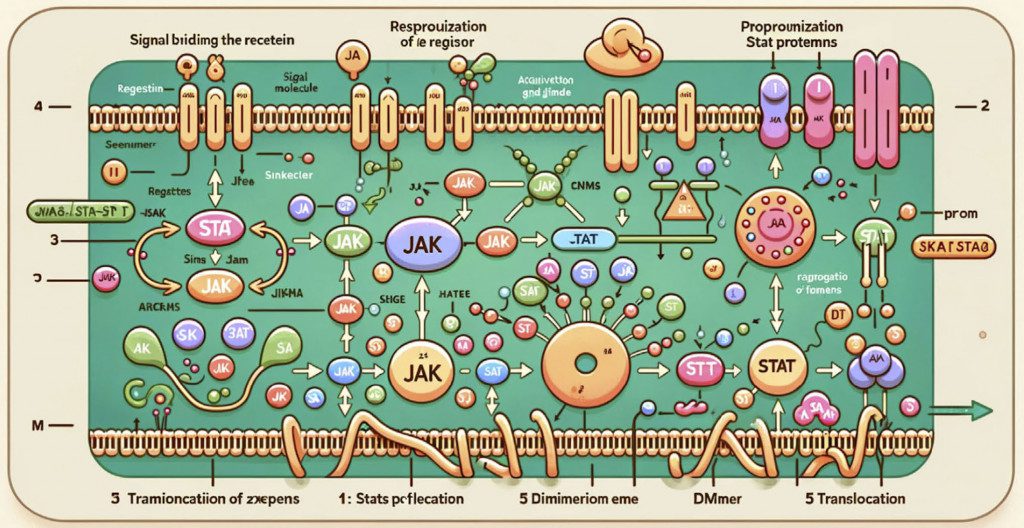
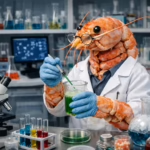
AI-generated fake organism
But yesterday I read that scholarly journals are being overwhelmed with AI-generated slop: fake research. With fake graphics and fake citations.
So with sadness in my heart, I had to tell my students about what is going on. It doesn’t mean peer review is defunct or dead. It just means that the job of journal editors, and thus the progress of research and learning, is made vastly more difficult.
Instead of receiving, say, 50 new submissions a month, an ordinary scholarly journal may now receive 500 or 1000 per month, forcing journal editors to work that much harder to sift through the false submissions.
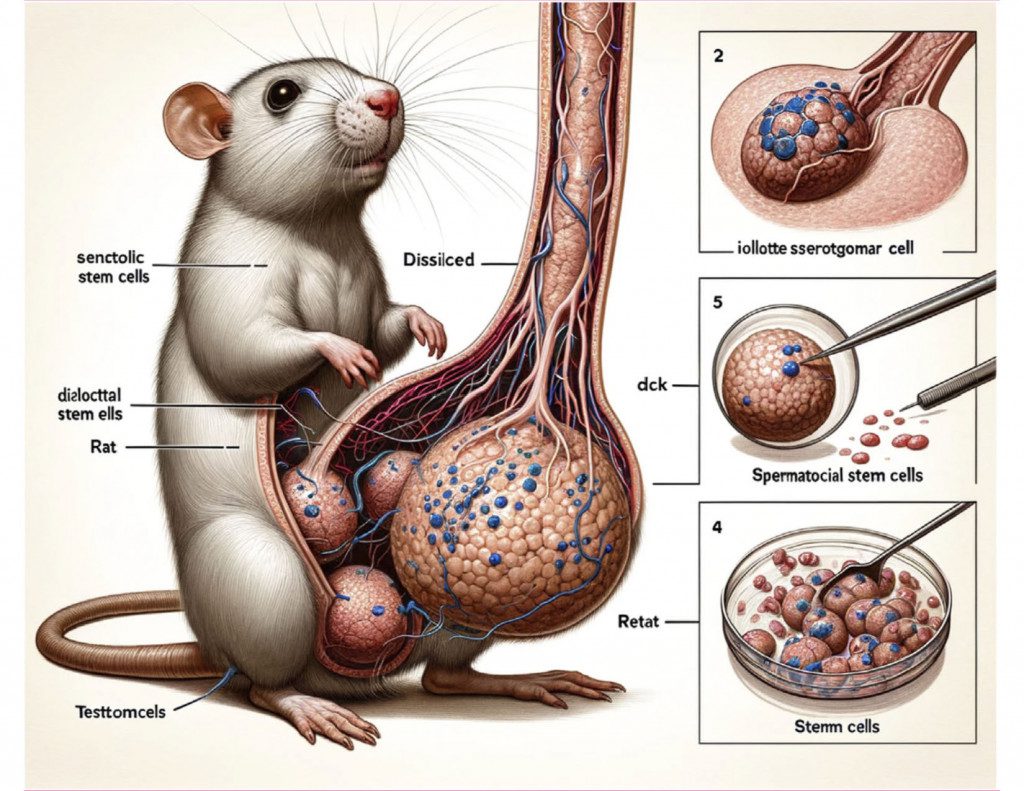
AI-generated fake organism
Many are very cleverly crafted, with AI-generated images and citations. The Atlantic reports that “the initial version of the Trump Administration’s ‘MAHA report’ on children’s health contained more than half a dozen” phantom citations, citations generated by AI that do not exist.
Why? Because prestige, advancement, and money follow getting published. They count on not getting caught, no one actually reading their bogus article, just seeing their name attribution. And the more, the better.
This can only mean that the pace of scientific advancement will be slower to implement. And despite the reviewers’ best efforts, some will get through, and articles will be published riddled with errors and falsehoods.
On the contrary, some will say, don’t AI advocates promise a dramatic increase in the speed of scientific discoveries: new proteins, new medicines, and new vaccines? Haven’t we been told that AI will blow the roof off of health care and ultimately make us immortal?
That’s what the Apostles of AI say. But those announcements have not been as forthcoming as the reports of the nefarious use of AI for self-promotion by would-be science influencers.




Glad you said it, but never would thought so anyway. Write on dear writer!
Fight the slopaganda!